Safety Glasses
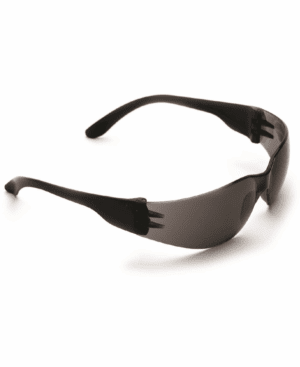
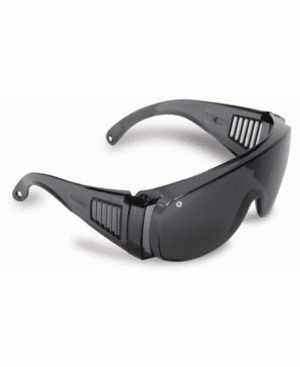
Protective Safety Glasses
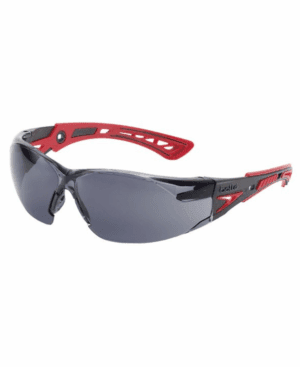
Safety Glasses covers Clear lens safety glasses, smoke lens safety glasses and polarised safety glasses used across workshops, warehouses, construction sites and maintenance teams. At Safety Zone, this range is set up for teams that need safety glasses options that are straightforward to compare and easier to buy with confidence. Whether you are looking for protective eyewear or narrowing the range to work safety glasses, the better choice usually comes back to lens type, frame fit, tint, anti-fog performance and how the eyewear works with other PPE. For some jobs, protective eyewear make more sense where clear vision and everyday comfort matter, while Clear lens safety glasses may be a better fit where straightforward visibility is needed indoors or in lower light. It also helps to think about how the product will work alongside hard hats, ear muffs, respirators or other PPE. By starting with the job, the environment and the products already in use on site, it becomes easier to narrow the category to options that are practical for day-to-day work.
Why choose Safety Glasses
Safety Glasses is worth comparing carefully because different jobs place different demands on safety glasses. A category that looks similar at a glance can include very different materials, shapes, coverage levels or wear characteristics once you look closer. That is where a supplier-focused range helps. Products such as protective eyewear may suit teams where clear vision and everyday comfort matter, while Clear lens safety glasses may be more practical where straightforward visibility is needed indoors or in lower light. Comparing the range against the real task usually leads to a better buying decision than choosing on price or appearance alone.
Safety Glasses for different industries and applications
Safety Glasses is commonly used across construction, warehousing, workshops, fabrication and maintenance work. Depending on the work, buyers may look at Clear lens safety glasses, smoke lens safety glasses and polarised safety glasses to match the task more closely. For example, protective eyewear may suit teams where clear vision and everyday comfort matter, while anti fog safety glasses can be useful where workers move between temperatures or stay active through the shift.
Shop Safety Glasses from Safety Zone
At Safety Zone, we supply safety glasses for a wide range of workplace applications, including Clear lens safety glasses, smoke lens safety glasses, polarised safety glasses and welding safety glasses. Our range is aimed at buyers who want to compare safety glasses alongside options such as protective eyewear, work safety glasses and anti fog safety glasses, without making the selection process harder than it needs to be. Whether you are ordering for one person or managing a larger team, browsing by task, product type and day-to-day use is usually the quickest way to narrow the range.
BROWSE OUR RANGE OF OUR SAFETY GLASSES
For a comprehensive range of quality safety glasses, browse and shop online with Safety Zone. To enquire about our carton quantity pricing, contact our office in Perth today.
Frequently Asked Questions
What are safety glasses made of?
Most safety glasses are made from polycarbonate, a lightweight plastic known for its exceptional impact resistance and optical clarity. Other materials used include Trivex, which offers similar impact resistance with improved optics, and acrylic, which is less durable but more affordable. Glass lenses may also be used for their scratch resistance, though they are heavier and can break more easily under impact.
Can you use regular glasses as safety glasses?
No, regular prescription glasses are not designed to withstand industrial hazards and do not meet the impact resistance standards required for safety glasses. Approved safety glasses must meet Australian Standard AS/NZS 1337.1 and are designed to resist high-velocity impacts and provide side protection. Prescription safety glasses or over-glasses should be used if vision correction is required.
What qualifies as safety glasses?
Safety glasses must meet specific standards such as AS/NZS 1337.1 to be considered compliant. They are characterised by impact-resistant lenses, robust frames, and additional protective features like side shields or wraparound designs. They are tested to ensure they provide adequate protection against high-speed particles, chemical splashes, or radiation depending on their intended use.
How can I tell if my glasses are plastic or polycarbonate?
Determining whether your lenses are plastic or polycarbonate can be done by checking product markings or specifications provided by the manufacturer. Polycarbonate lenses are lighter and more impact-resistant than standard plastic lenses. If you’re unsure, an optician can examine the lenses and confirm the material type.
How to stop safety glasses from fogging up?
To prevent fogging, safety glasses can be treated with anti-fog sprays or wipes. Some models come with factory-applied anti-fog coatings or include ventilation features that improve airflow. Ensuring the glasses fit correctly without trapping excessive heat and moisture is also important. Regular cleaning and storing the glasses in a dry place when not in use will help maintain their clarity.
Which safety glass lenses are the most impact resistant?
Polycarbonate lenses are the most impact-resistant option available for safety glasses. They are widely used across industries because they can absorb significant force without cracking or shattering. They also offer built-in UV protection, making them suitable for both indoor and outdoor use in environments where eye hazards are present.
How do I choose the right safety glasses for the job?
Start with the work area, the lighting conditions and whether workers need a sealed style, a standard frame or a more specialised lens. From there, compare lens type, frame fit, tint, anti-fog performance and how the eyewear works with other PPE.
When are protective eyewear worth choosing?
They are often worth considering where clear vision and everyday comfort matter. That usually makes a bigger difference than choosing on appearance alone.
What is the difference between safety glasses, goggles and face shields?
Safety glasses are often used for everyday eye protection, goggles provide a closer seal and face shields add broader face coverage for specific tasks. The better choice depends on the work.
Can eye protection be worn with other PPE?
Yes, but it is worth checking how the eyewear or shield will sit with hard hats, ear muffs, respirators or other PPE so the overall fit stays practical.